Loop condition review
Engineers begin with the process variable, service medium, normal range, upset range, ambient exposure, and the consequence of an incorrect reading. The aim is to identify measurement risk before model comparison starts.
About Emerson
The company supports teams that need a reading to stand up under production pressure, maintenance review, and formal audit. The work is not limited to shipping a device. It includes the assumptions, records, and service path that make the reading defensible.
Roadmap
Engineers begin with the process variable, service medium, normal range, upset range, ambient exposure, and the consequence of an incorrect reading. The aim is to identify measurement risk before model comparison starts.
Pressure, flow, level, temperature, and sensor options are narrowed by process fit, response expectations, connection details, and communication requirements. Alternatives are recorded with the assumptions that support each choice.
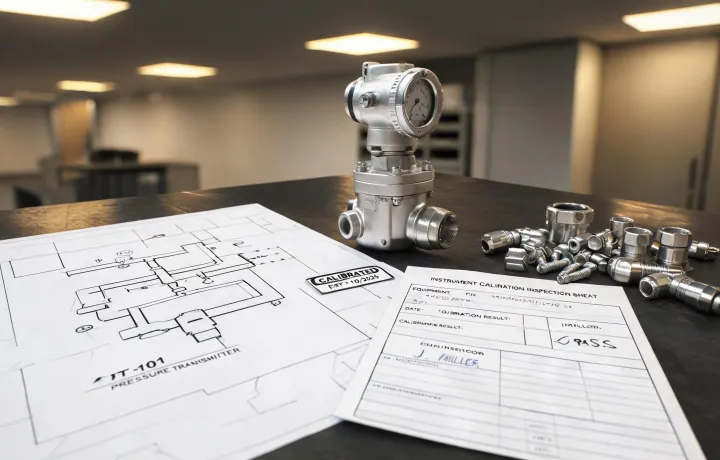
The service record can include calibration evidence, conformance notes, certificates, material references, serial data, and delivery timing. This package helps procurement and quality review the same technical basis.
As operating conditions change, the record helps the site decide whether to recalibrate, replace, or redesign the measurement point. That continuity reduces avoidable debate when urgent maintenance decisions appear.
Many industrial purchasing decisions appear simple until commissioning exposes missing assumptions. A transmitter may fit the process connection but lack the certificate package needed by the quality team. A flow meter may support the required range but carry a communication option that complicates integration. A level sensor may work under normal operation yet need additional review for vessel geometry, foam, temperature, or hazardous-area classification. Emerson's position is that those details belong inside the commercial conversation rather than after it.
The organization is structured for customers who prefer clear records over broad promises. Its support process values clean documentation, traceability, measured language, and practical comparison. That style suits engineers who must explain a decision to plant management, auditors, maintenance planners, and purchasing teams without rewriting the story for each audience.
Working principles
Share the application notes and compliance expectation so Emerson can return a product path with the support evidence attached.